
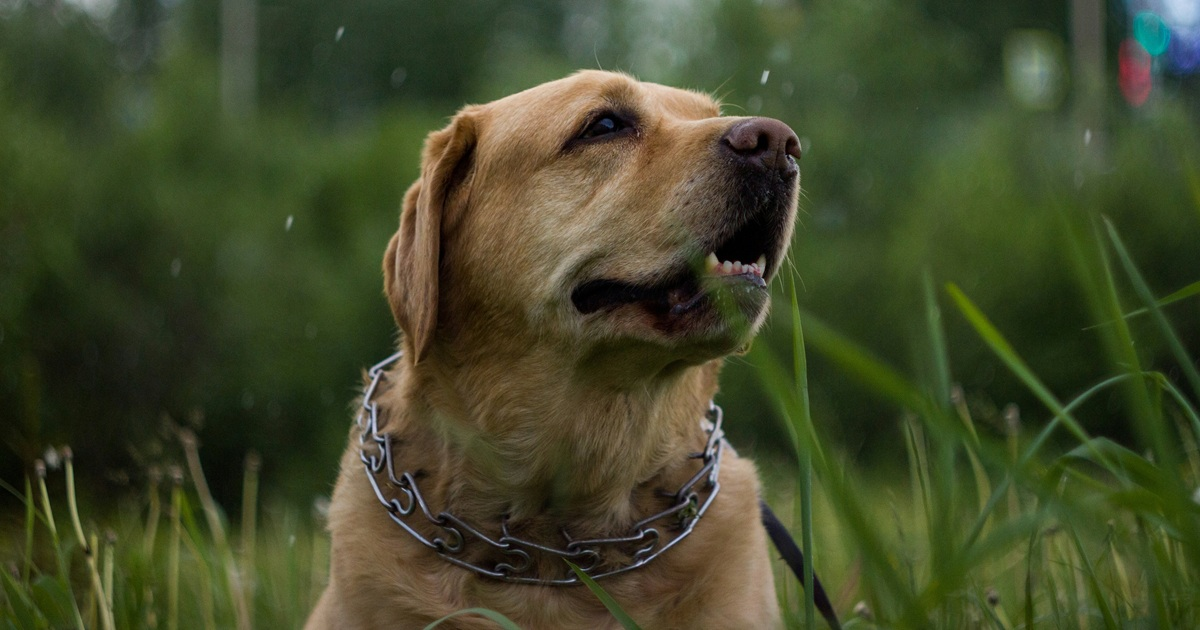
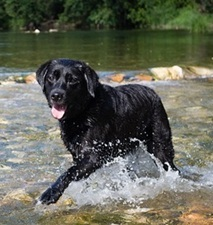
 Only recently nosed out of first place by French Bulldogs, Labrador Retrievers are still among the most versatile and beloved dog breeds. Labs were the top dog in the US for 31 astounding years, until 2022 when they were edged out by those rascal French Bulldogs. However, there is a good reason why Labs have been popular for so long. Labs are notorious for their generally happy dispositions and ability to fit in with the family. Children are considered companions by Labs, and even though Labs are technically a hunting dog, they can be trusted with other pets as long as they are introduced to them sensibly, and preferably while young.
Labrador Retrievers are used as water dogs to bring ducks and other waterfowl back to their master. In other words, they are not active hunting dogs like Dachshunds and Deerhounds, but dogs that simply bring back prey that had already been killed. They have little prey drive. It’s interesting to note that historically, Labs were used by fishermen to help bring their nets back to the boat.
Do you ever worry that your Lab will ‘take off’ after a squirrel? All dogs have these moments, but hunting dogs are probably at greater risk of getting lost. Fortunately, you can keep track of your dog’s whereabouts with a special collar. Worry about where your dog is will be greatly lessened when you fit Lab with a Fi Series 3+ GPS collar.
Labrador Retrievers are sturdy, handsome dogs and they come in three coat colors:
-
Black
-
Chocolate
-
Yellow
Regardless of the color of the coat, however, the personality of the Labrador Retriever remains the same. Because Labs have such great dispositions, it’s important to keep in mind that these dogs require quite a bit of exercise every day. Even a Lab can show some behavior problems if cooped up too long.
Living in an apartment isn’t impossible with one of these dogs, but they must be taken on long walks and given the opportunity for some running as well. Dog parks in cities can often provide dogs with a chance to run and have fun, and even play with some other dogs. If you aren’t using Labs for hunting, it might be a good idea to schedule hikes as often as you can manage, they’ll enjoy these as much as you will.
Coat Care
The coat of a Labrador Retriever consists of two layers: a warm, dense, fine undercoat, and a coarser, protective over-coat. This coat helps keep the Lab warmer while splashing through water to bring back game, and also helps keep him or her warm in cold weather. However, as useful as this coat is for the dog, it does produce a lot of loose hair. Labs are considered to be heavy shedders, so attending to your Lab’s coat will be important. Fortunately, there are plenty of coat-care products that will help to make the job easier:
-
Brushes are important for keeping your Lab’s coat in good condition, and regular brushing will help to catch those shed hairs before they wind up on your furniture and floor, or on your clothing. Good brushes can keep your home cleaner and your dog looking good.
-
If your Lab has been busy in the water or splashing around a marsh, or just been having some doggy fun in a muddy spot, it might be a good time to give the dog a bath. Labs are also thought to have a rather strong aroma, especially if they have been in the water. Sometimes, it might be impossible to give a wet bath, and this is when a dry shampoo can save the day..
Keeping your Lab’s coat in prime condition isn’t hard as long as you have good brushes, combs, and shampoos on hand. Always pay attention to your dog’s coat after he or she has been outside, especially in brushy or wooded areas.
It is also vital that you make sure to keep ticks and fleas under control. Ticks carry a handful of very nasty diseases that can hurt you Lab badly. There are products available, some of them natural, that can discourage these bloodsuckers from attaching themselves to you dog. Another thing to check for if your Lab has been in the water is leeches. These ghastly parasites will attach themselves to your dog and suck their blood. At this point, leeches are not known to transmit any illnesses to dogs, but the bite can become infected if not treated properly.
Keeping Your Chow Hound Satisfied
While a fairly large dog, Labrador Retrievers have a stocky, square build. Unfortunately this build, combined with the Lab’s love for food, can lead to a Lab getting too chubby, or obese, which can lead to health problems like diabetes, joint issues, heart disease, or liver problems.
Choosing a good, premium dog food can not only make sure that your dog is getting all the nutrition he or she needs, but can help keep your dog’s weight in line. It’s up to us to follow the feeding guidelines and resist those begging eyes. Better dog foods have fewer fillers than their less expensive counterparts, to help keep your dog’s body functioning well.
-
If you are torn between using kibble and fresh dog food, try these fresh and dry recipes. These two food types can even be mixed together.
-
Evermore is another dog food brand that uses fresh, human-grade ingredients to make delicious, healthy meals. Plans are shaped specifically for your dog and food is delivered to your door using their subscription service..
-
If you’re looking for a wide choice of premium dog foods, give yumwoof! a glance. Yumwoof! supplies air-dried food that takes a holistic approach to your dog’s meals.
While these premium dog foods cost more than the usual grocery store brands, they usually require smaller portions to meet your dog’s needs. Helping to meet all your dog’s nutritional requirements can sometimes save trips to the vet. And remember, your Labrador Retriever is a real ‘trencherman’ so follow guidelines and go easy on those treats.
Helping Your Lab Be a Good Neighbor
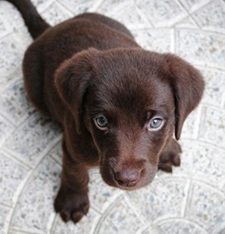 Because Labrador Retrievers are mellow dogs doesn’t mean that you can sluff off on training. Adult Labs are fairly large and strong dogs. It’s up to you to help your dog become a shining example of their breed by giving them even a little bit of training. Dogs that will be used for hunting will require specialized training, but for a family pet, early socialization and obedience training will be needed.
Always use positive reinforcement when training your Lab, especially when they are puppies. Dogs look up to us and want to please us, and training with kindness will yield the best results. Because Labs are so food-oriented, using treats as a reward can yield good results. A small treat like can help training progress more easily. Along with treats, a clicker training device can help to focus you Lab’s attention, making the process easier for both of you. Starting training when your Lab is little, and keeping training sessions short and positive, are the best approach to training your dog.
Another way to make sure that you’re a responsible dog owner is to clean up after your lab when you’re walking in a ‘civilized’ area. This job can be made a bit easier if you attach the Oops-Proof Poop Bag Carrier to your dog’s leash.
Pups-N-Paws is an affiliate marketing website dedicated to helping visitors find the best products for their dog. My recommendations are based on my research into various advertisers.